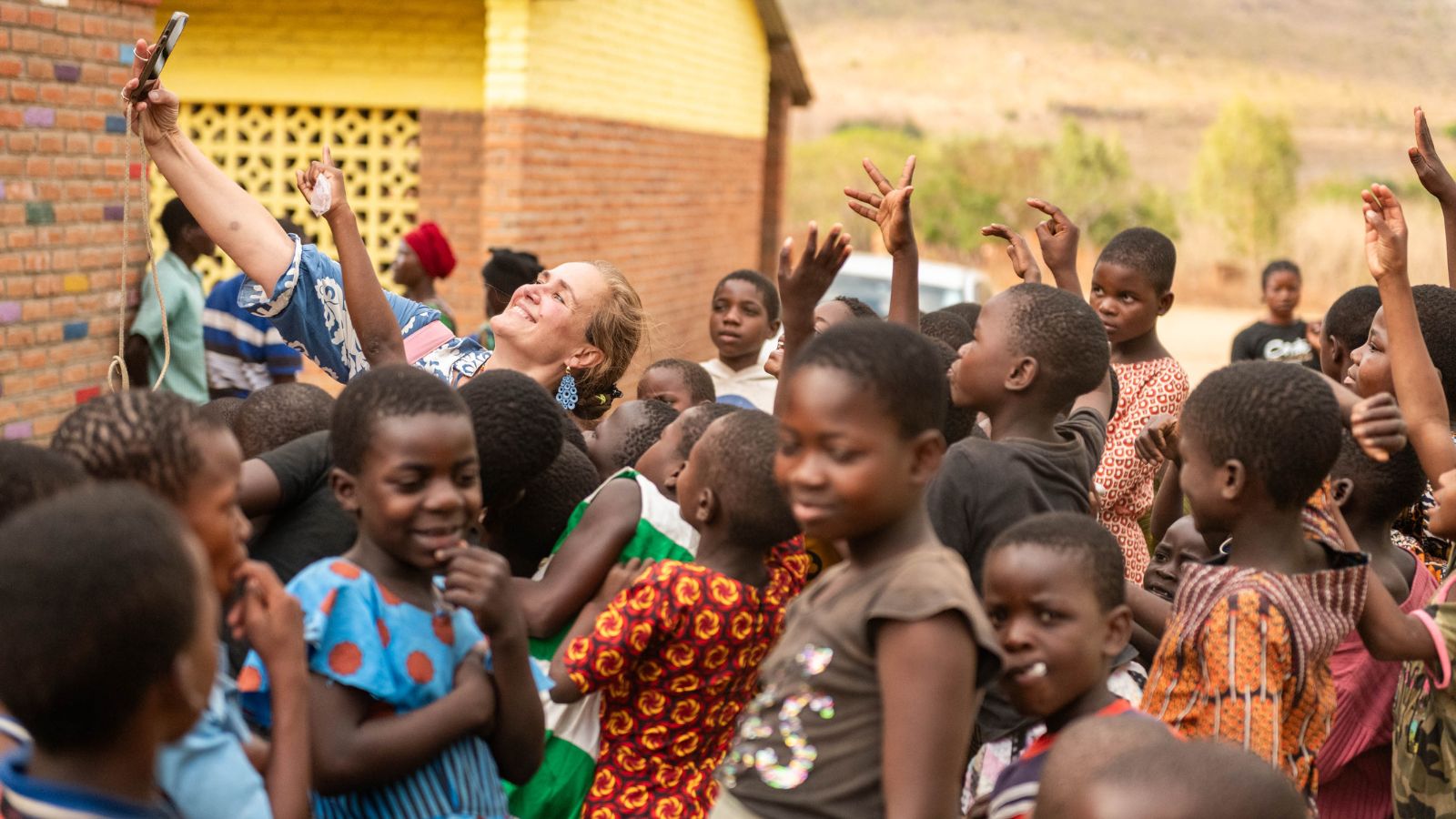
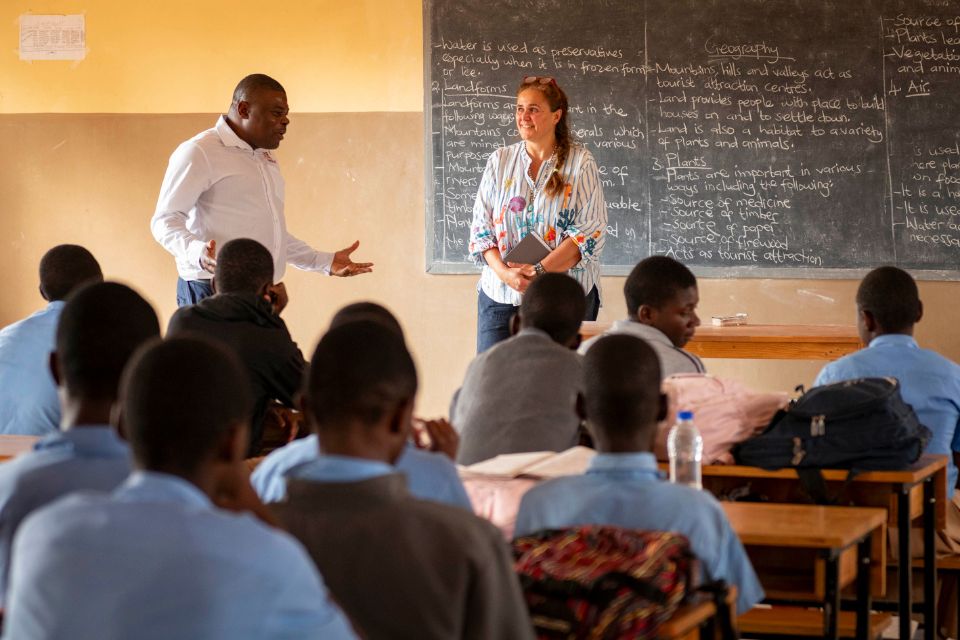
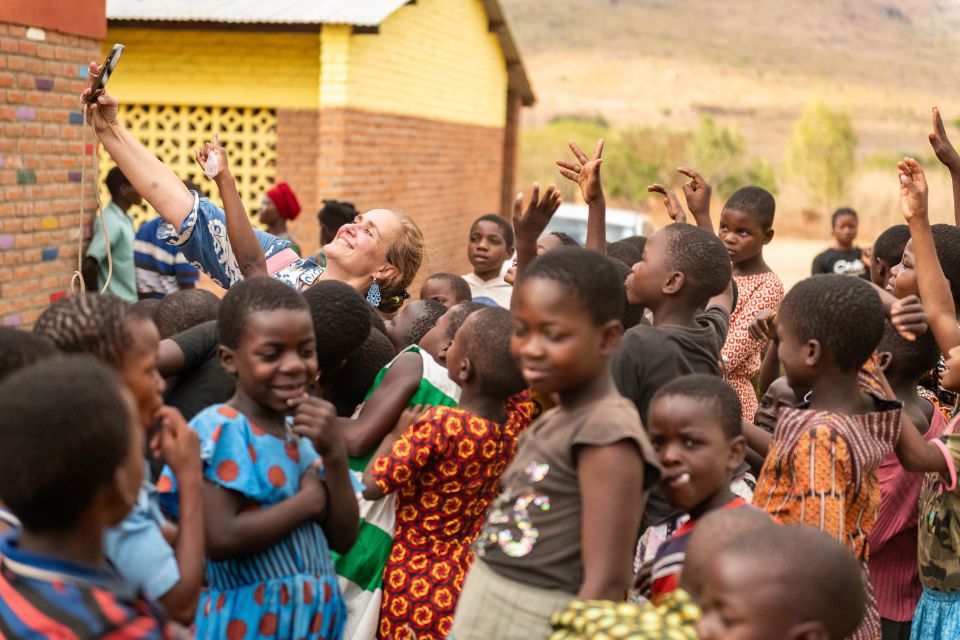
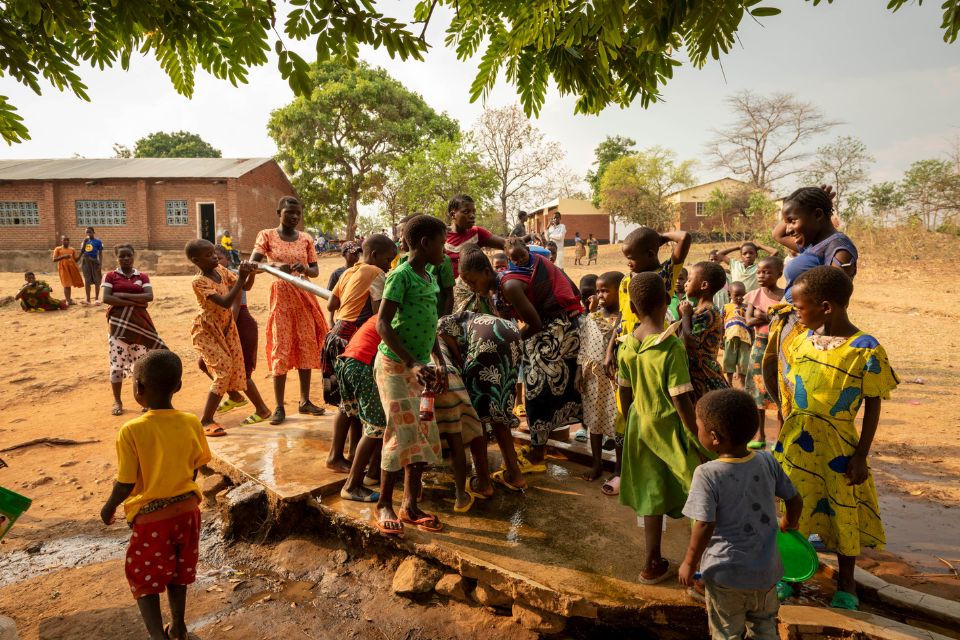
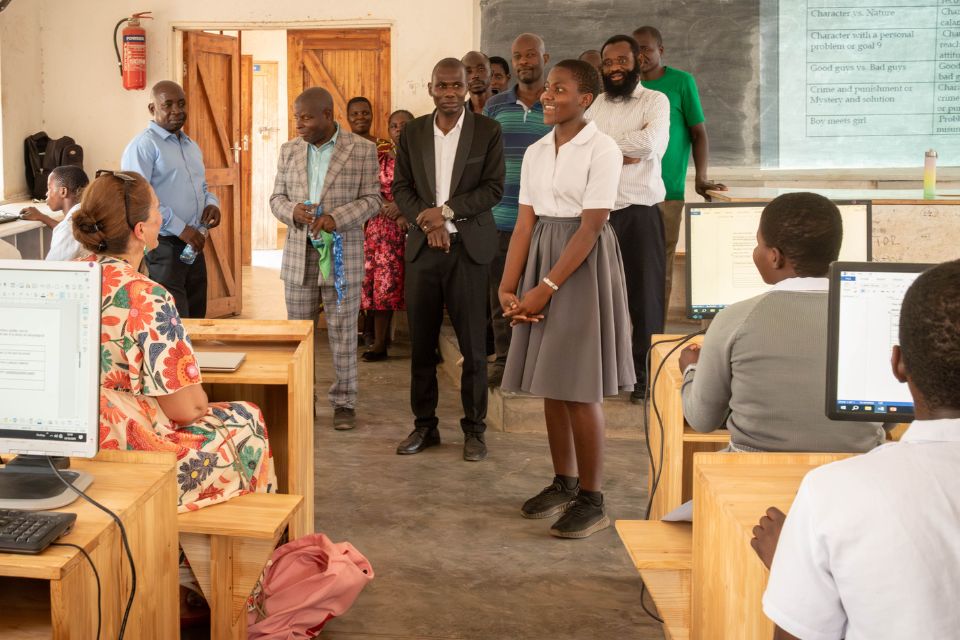
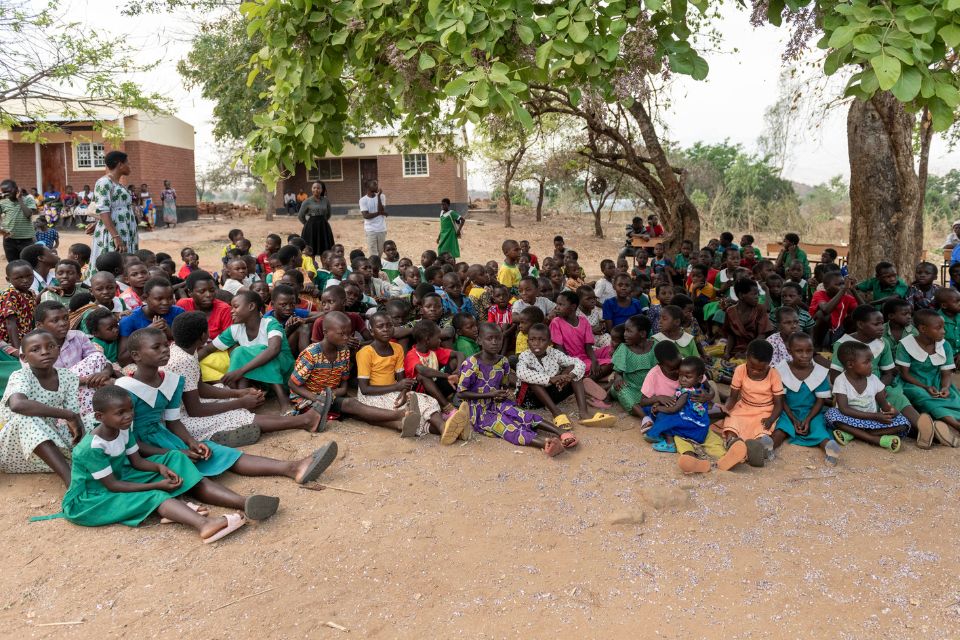
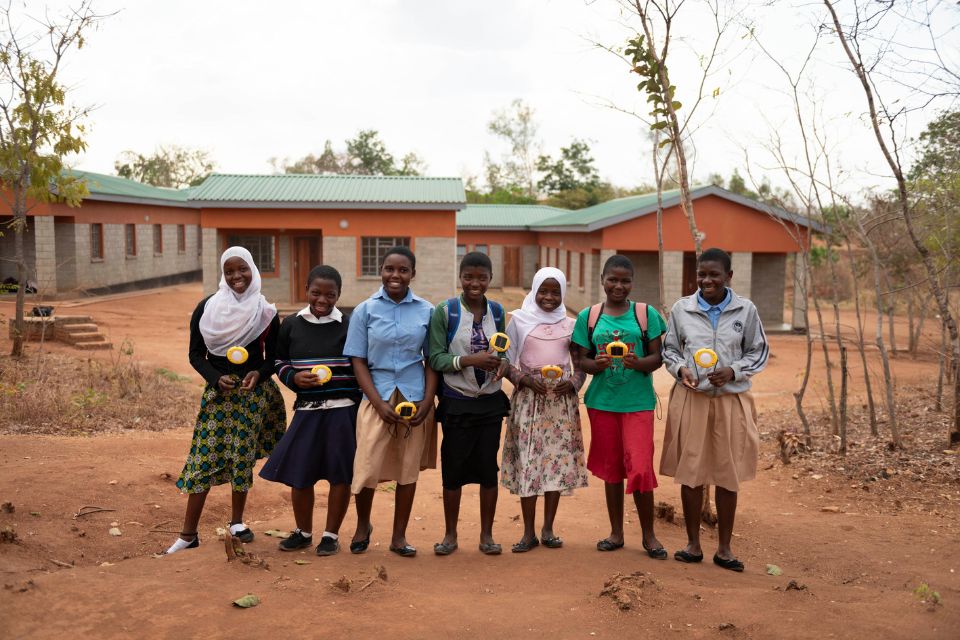
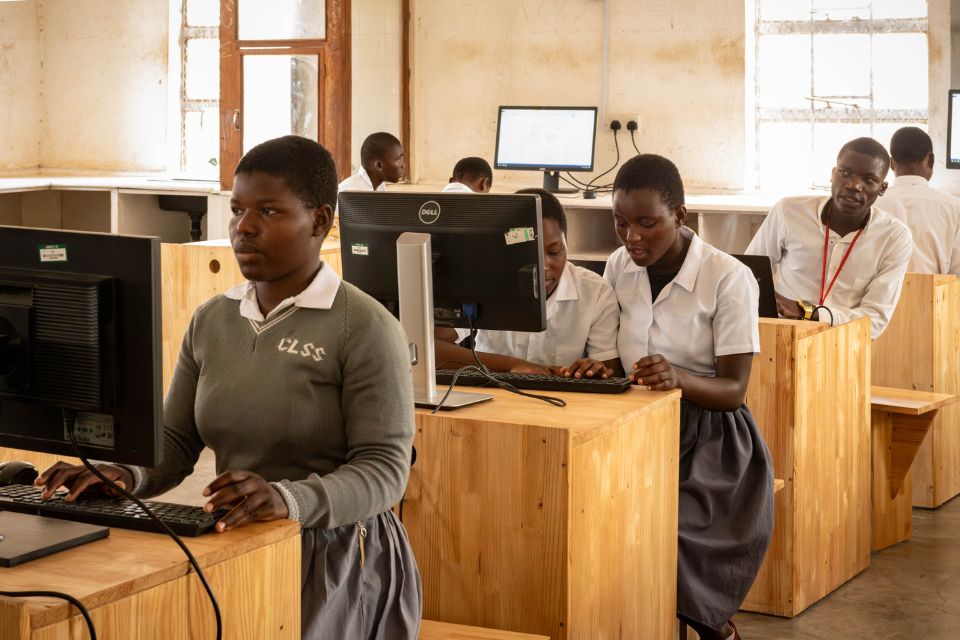
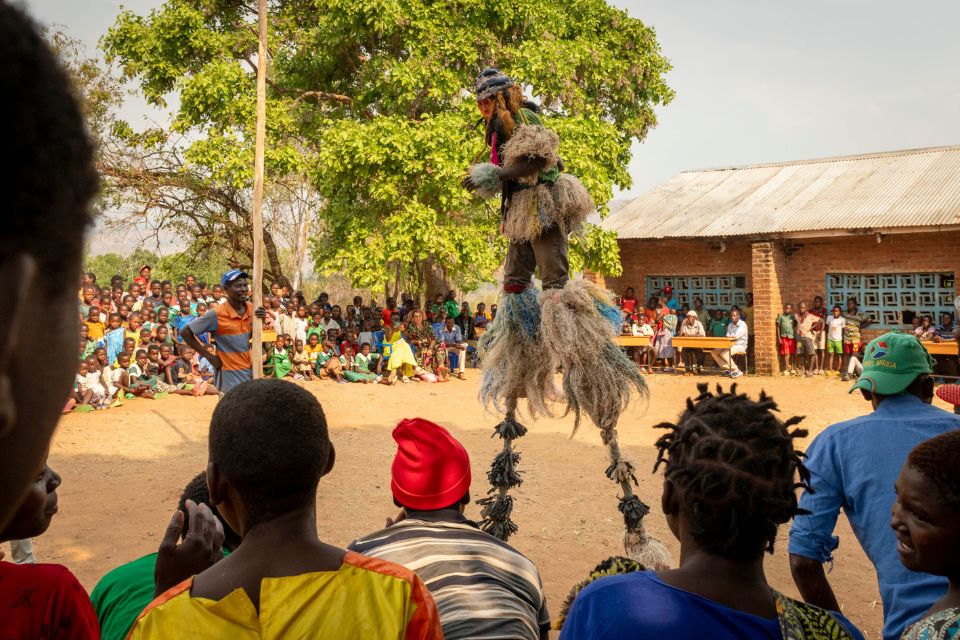
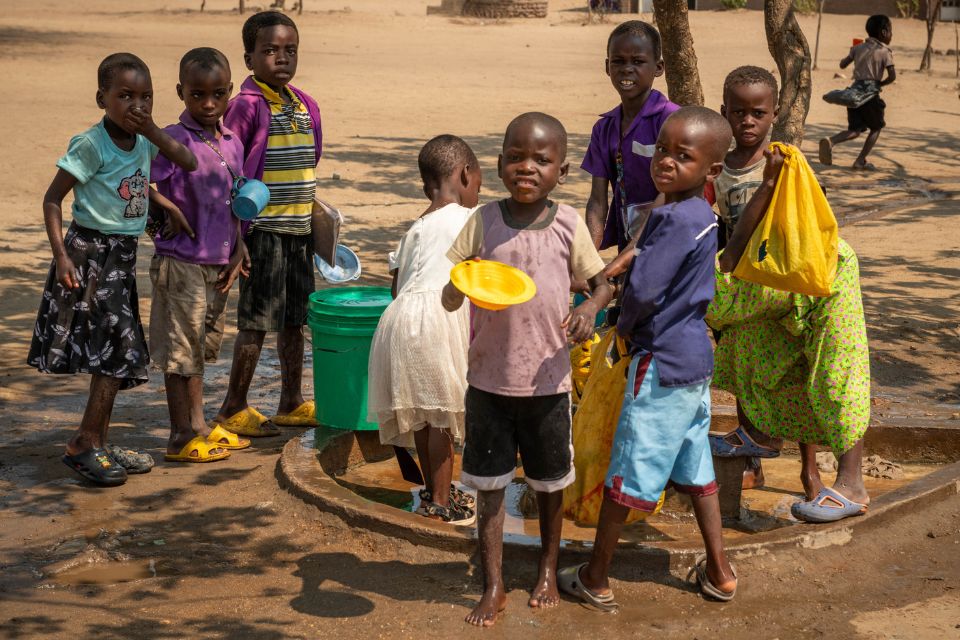
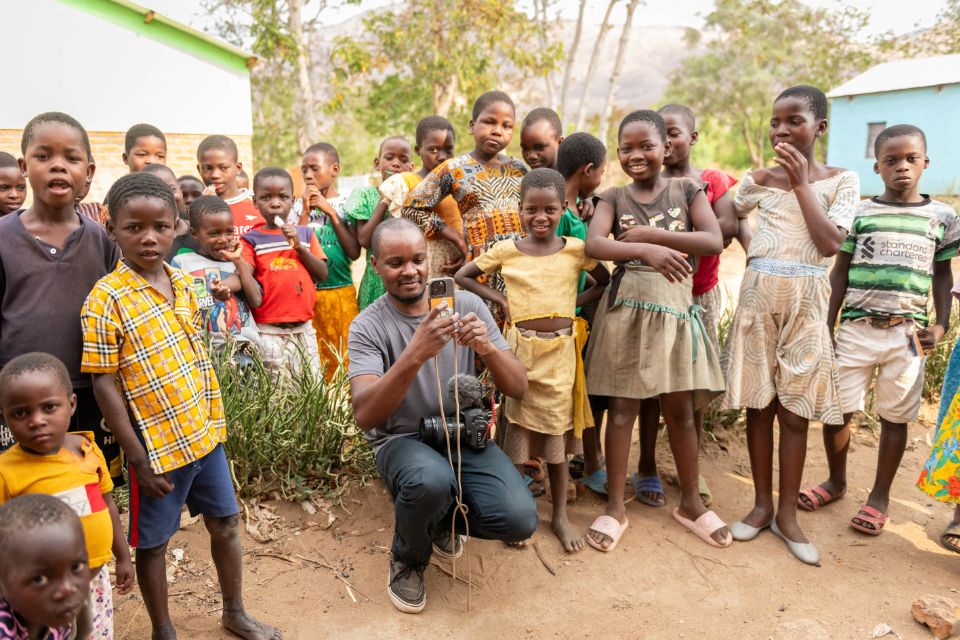
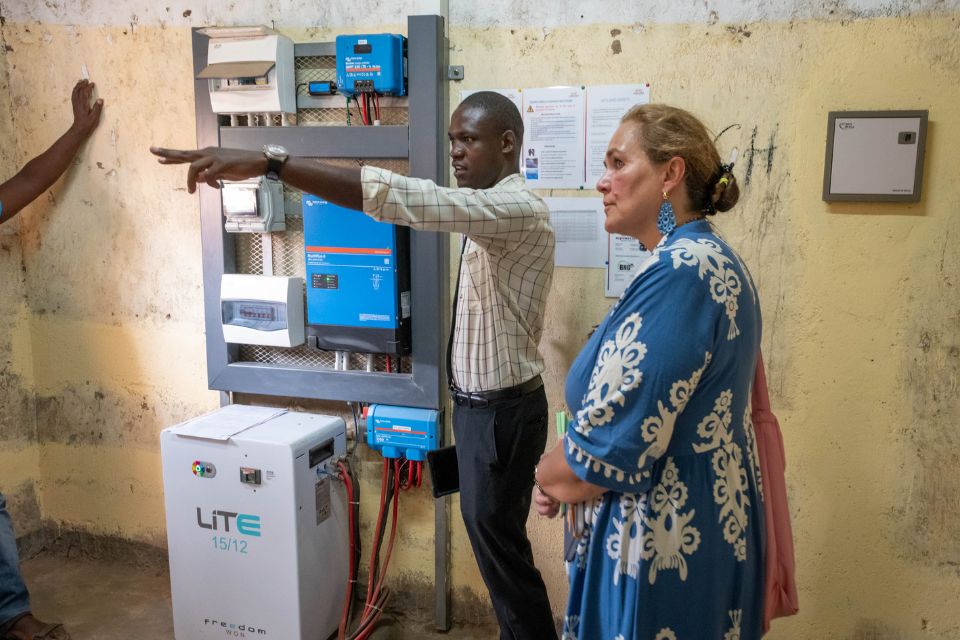
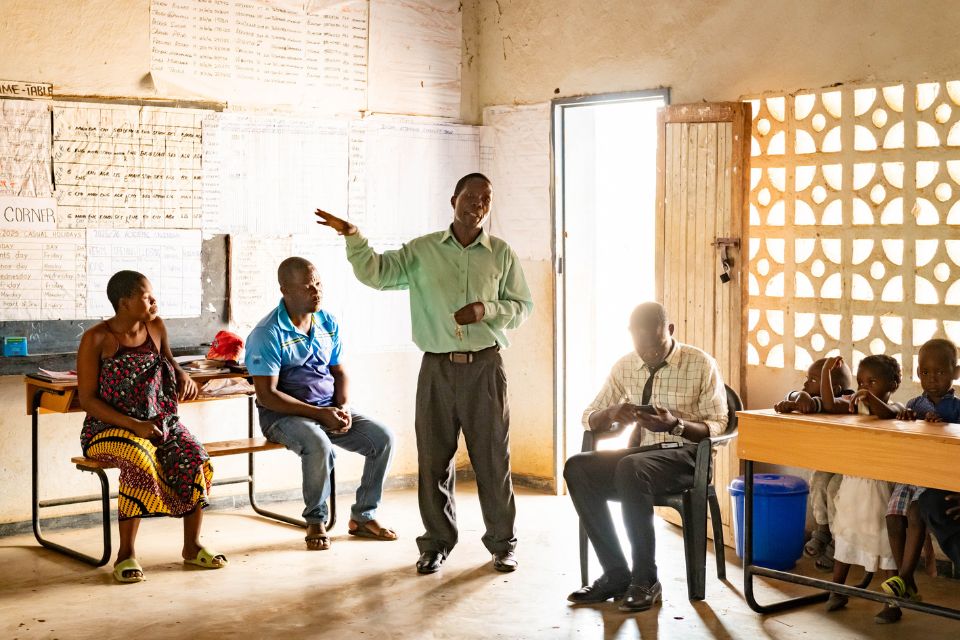
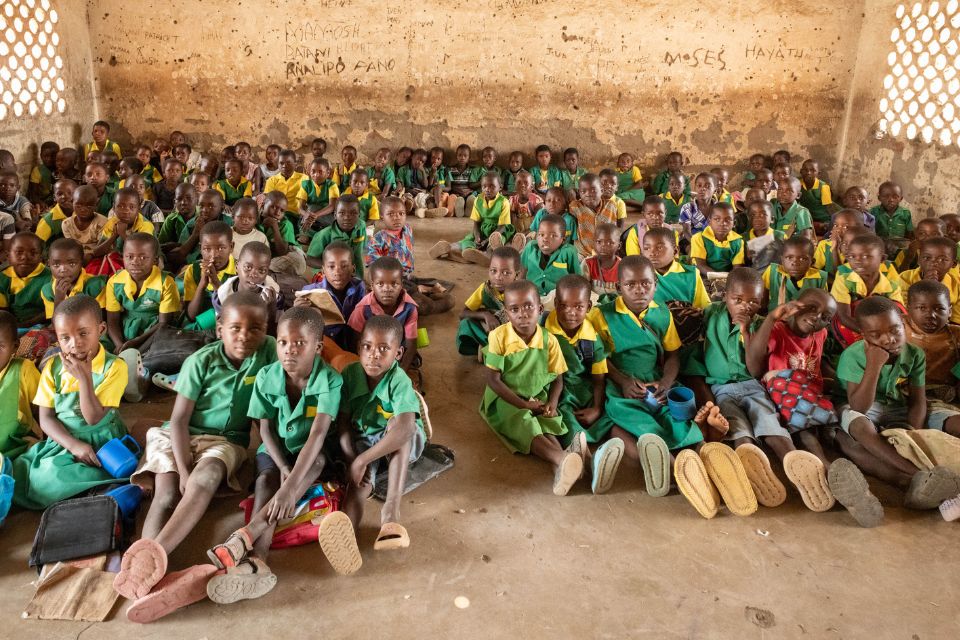
At Liwiro, the motto “Speeding towards Excellence” has become a symbol of progress: the school is clean, vibrant and committed – even without an electricity connection. In the afternoons, teachers give lessons to children from the surrounding area who do not have a school place. In Ndalapa, thanks to a solar system and new teachers’ houses, the classrooms shine in the evenings and the whole village benefits from the light. In Mtakataka, young women in the renovated girls’ dormitory have not only a roof over their heads, but also a piece of future. They talk about their dreams of becoming teachers or nurses. And at the Christian-Liebig-Secondary-School, new spaces for vocational training are being created – with a workshop where students build furniture and learn what it means to create something with their own hands.
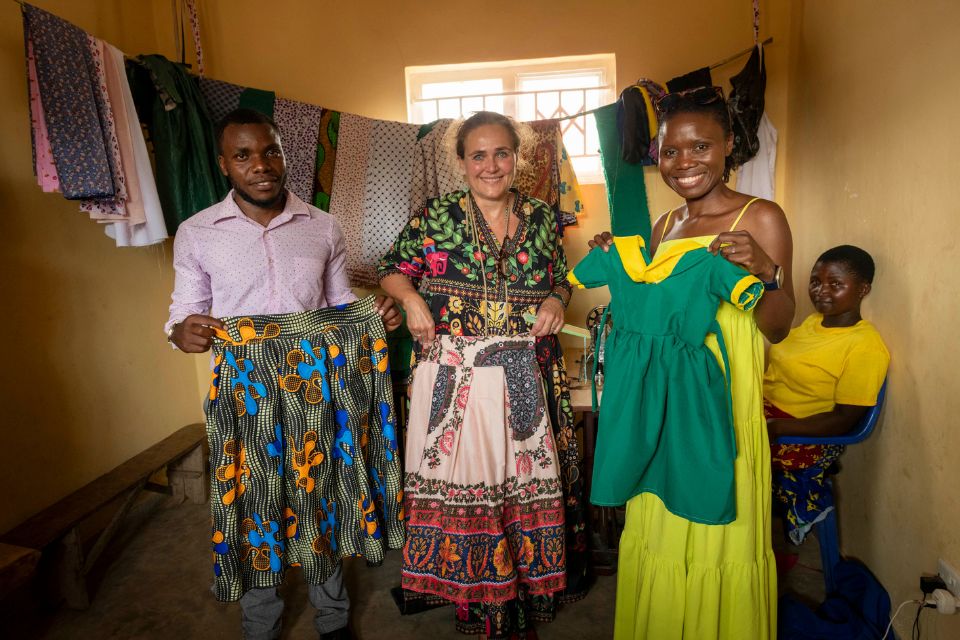
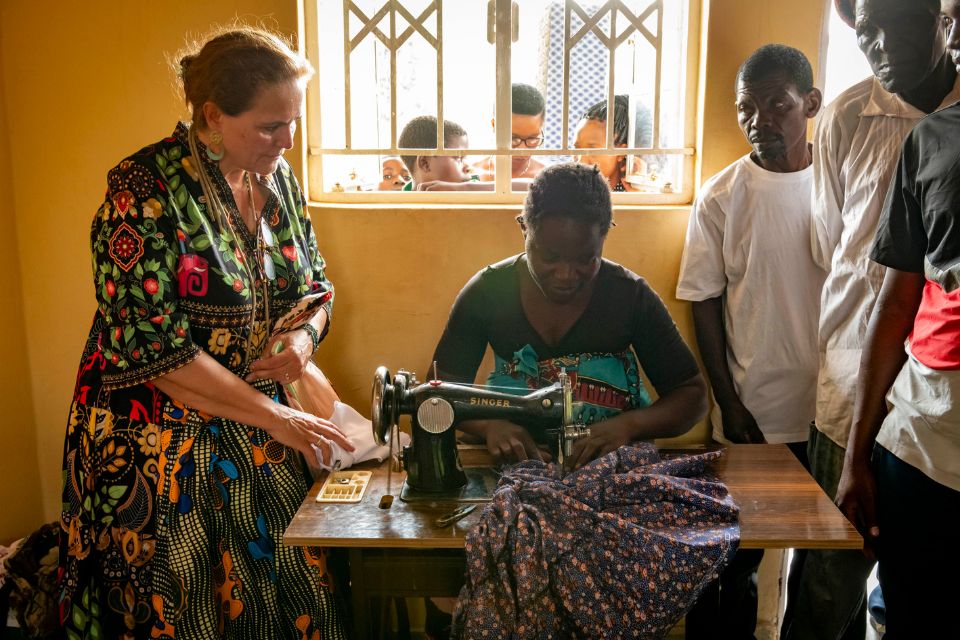
Beyond the school projects, much else is growing: in the Dzaleka refugee camp, training workshops are being set up for young people who have been stranded there. In cooperation with There Is Hope and Kibébé, seamstresses, carpenters and solar technicians are being trained. “Everywhere we saw focused faces, people who are learning, working and still laughing,” says Beatrice. “Craft as hope – quite literally.”
Her travel report tells of setbacks and challenges, but above all of progress, community and tireless commitment. It shows how education can succeed even where conditions are difficult – because people on the ground take responsibility.